Why Most Real Estate Teams Fail at Follow-Up (And How to Actually Fix It)
Here's something I hear from top-producing teams at least once a week:
"We have the leads. We just don't follow up fast enough."
It's never about lack of effort. These are agents who work 60-hour weeks. The problem is they're trying to manage follow-up manually across five different platforms while also, you know, actually selling houses.
A lead comes in from Zillow at 2pm. By the time someone sees it, responds, and tries to schedule a call, it's 6pm. That prospect talked to three other agents in the meantime. Deal's already gone.
The Real Problem Isn't Laziness - It's System Design
Most teams are running follow-up like it's 2010. Someone gets a lead notification. They're supposed to text back. Maybe they do, maybe they don't. If they do, there's no record of it anywhere useful. No one knows if that lead got added to a nurture sequence. No one's tracking if they actually responded.
Multiply that across 10 agents and 50 leads a week, and you've got chaos.
Here's what actually breaks down:
Every lead source dumps into a different place. Your CRM says one thing, your texting app says another, and half your team is still tracking conversations in their personal phone. There's no single source of truth, so there's no accountability. A lead can sit for two days and nobody notices because nobody's looking at the same dashboard.
Even when agents do respond quickly, the nurture falls apart. Someone sends one text, gets no response, and that lead just... disappears. No automated drip. No reactivation campaign six months later. Just gone.
And when you try to add more tools to fix it? Now you've got seven platforms instead of three, and the problem's worse.
What Changes When You Automate the Right Way
Automation isn't about replacing human connection. It's about making sure the human connection actually happens.
When a lead hits your system, they get an instant response - AI text or call that feels personal, not robotic. That buys you time. While your agent is wrapping up a showing, that lead isn't sitting in silence wondering if anyone's going to respond.
The lead gets routed automatically to the right agent based on location, source, or specialty. No more "who's supposed to handle this?" confusion.
If the lead doesn't convert immediately, they enter a nurture sequence that keeps the conversation going over weeks or months. Not annoying. Just consistent. Checking in when it makes sense.
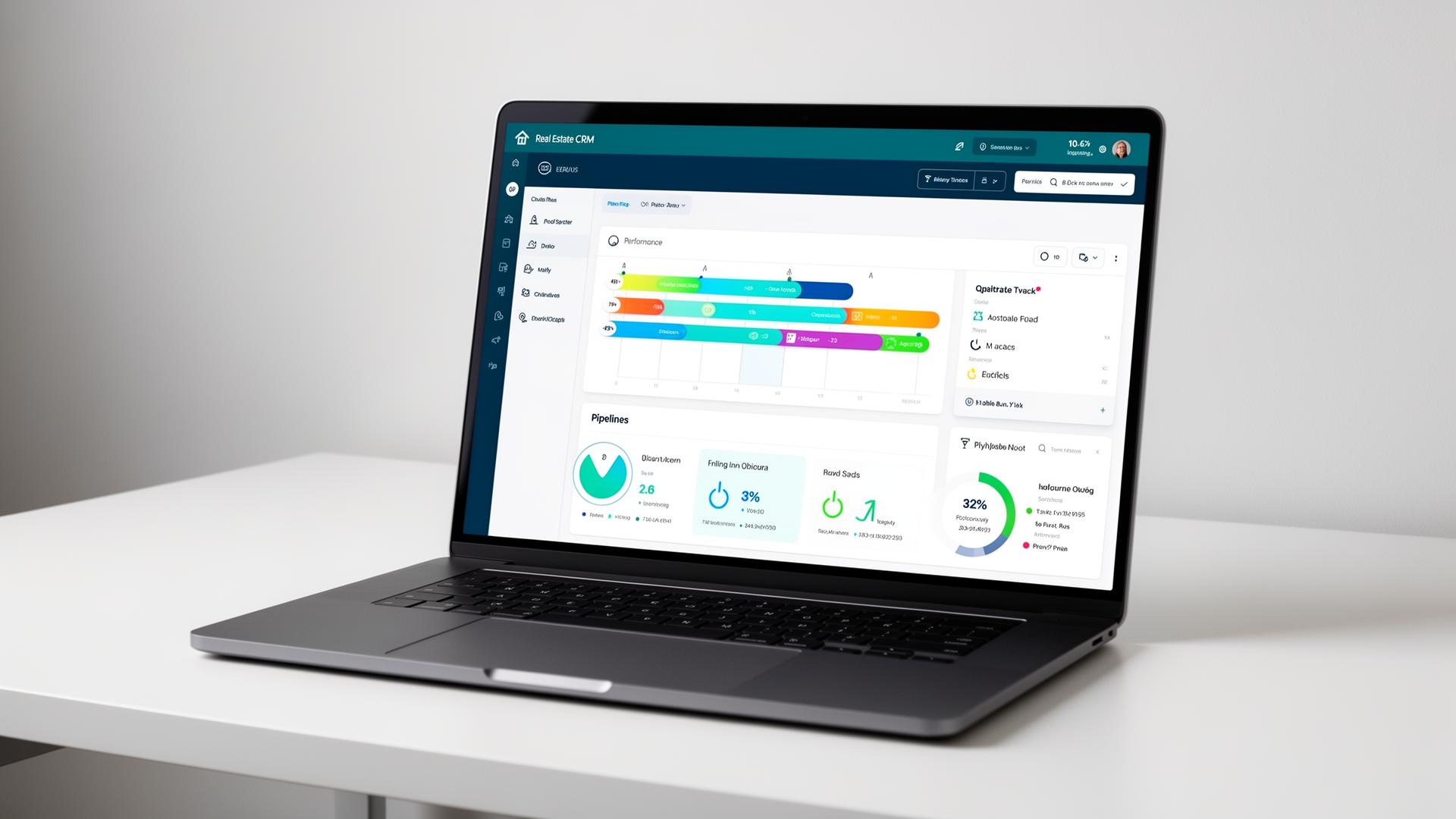
And here's the part most teams miss: your leadership team can actually see what's happening. Dashboards show response times, conversion rates, and pipeline health in real time. You're not managing by gut feel anymore.
The Part Nobody Talks About
The biggest mistake teams make with automation isn't over-automating or under-tracking. It's treating it like a DIY project.
They buy a CRM with automation features, spend three months trying to configure it, get 60% of the way there, and then just... live with a half-built system. Leads still fall through because the routing isn't quite right, or the nurture sequences stop after message two, or nobody ever built out the reactivation campaigns.
Automation only works if it's actually implemented. Fully. Correctly. And then managed ongoing.
Real Example: Mid-Sized Team in Texas
A team we work with was averaging 2-hour response times on new leads. Not terrible, but not great. They had a CRM, they had good agents, but the manual workflow meant leads sat while everyone was busy.
After implementing automated follow-up - AI calling and texting, smart routing, nurture sequences, the works - their response time dropped to under 3 minutes. They reactivated 400 old leads that had been sitting dead in their database. And for the first time, they could actually predict pipeline because they had visibility into every stage.
That's what happens when you stop patching your system and actually fix the foundation.
Where Most Teams Get Stuck
If you're reading this thinking "yeah, we need that" - you're not alone. Most teams know automation would help. The problem is implementation.
Building it yourself takes months and rarely gets finished. Hiring someone to do it means finding someone who understands both real estate operations and CRM automation, which is a unicorn. And even if you get it built, someone has to maintain it as your business changes.
This is where the partnership model matters. We don't just hand you tools and wish you luck. We build your automation infrastructure, implement it into your actual workflow, and manage it ongoing so it keeps working as you grow.
That's what "done-with-you" actually means. You get the system working on day one, and it keeps working because someone's paying attention to it.
Bottom Line
Most real estate teams don't have a lead problem. They have a follow-up problem. And follow-up problems are almost always system problems, not people problems.
Fix the system, and the follow-up fixes itself.
Ready to fix follow-up at the foundation level? Book a demo to see how Azulio builds and manages automation infrastructure so your team never loses another lead.